Anxiety Relief Owasso
Treatment for a Calmer Life

Anxiety and stress afflict everyone on occasion. Whether you are dealing with a challenging situation at work or are in the midst of personal problems, a degree of anxiety is to be expected. But ongoing stress and anxiety can be real threats to your health and quality of life. Dr. Lim and our Owasso team are here to help. On this page, you will learn about the role that neuromuscular dentistry can play in anxiety relief. You can also contact us directly if you are ready to request an appointment.
Anxiety and Its Relationship with Neuromuscular Issues

Anxiety and neuromuscular issues have a reciprocal relationship.
Often, stress and anxiety can contribute to the development of TMJ disorder (TMD). This happens because when you are going through a challenging situation, anxiety can cause to muscle tension and tightness throughout your body, including in your head and neck. In turn, this may lead to to problems with your TMJs (your jaw joints) and result in the symptoms that characterize TMD.
Something similar can happen in reverse. If your TMJs and the surrounding muscles are not healthy, perhaps due to a misaligned bite or other causes, you may start to experience pain, headaches, increased muscle tension, and other symptoms. As you can imagine, those unpleasant sensations can increase your overall burden of stress and anxiety!
Signs of Neuromuscular Stress

Are your stress and anxiety related to a neuromuscular issues? Our team would be happy to perform an evaluation to help you determine the answer. In the meantime, here are some common signs that you are experiencing neuromuscular stress:
Jaw Pain
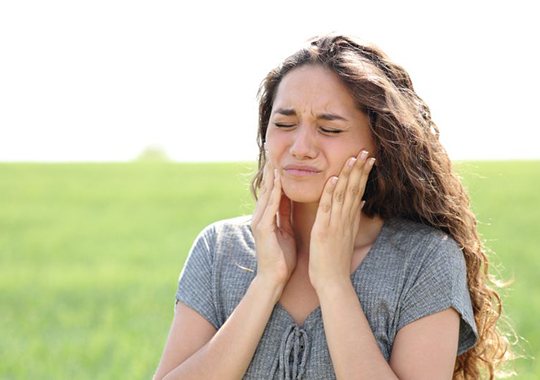
Pain in the jaw and the surrounding facial muscles are often related to stress and muscle tension. This pain may be a dull ache, but it can also be sharp and intermittent in some cases. Your facial muscles may be sore, and your jaw may pop and click when you move it.
Bruxism

Bruxism is the medical term that describes teeth grinding and clenching. Many people do it while they are sleeping, so there is a chance that you are not aware that you are bruxing. However, the signs will still be there. For example, you might frequently wake up with a sore jaw or headache. Dental sensitivity is another indication.
Poor Sleep

Poor sleep can be the result of numerous causes, including both stress and neuromuscular issues! Anxious thoughts may keep you awake and disturb your sleep quality, and neuromuscular pain may make you so uncomfortable that it is difficult to relax. You may find that you are tired all the time and struggle to feel well-rested.
How Neuromuscular Dentistry Eases Anxiety
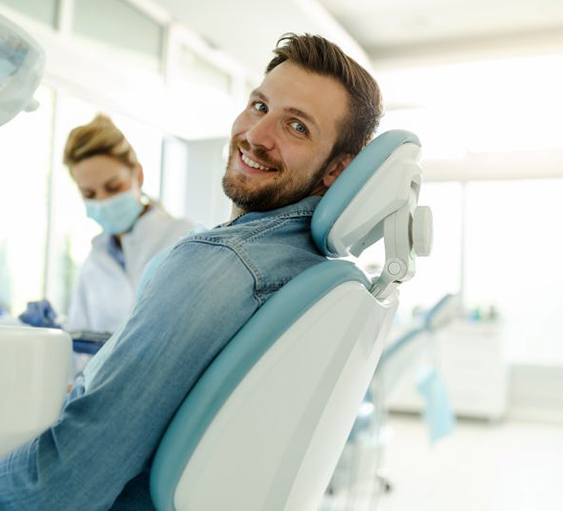
Neuromuscular dentistry addresses a physical cause that can play a major role in emotional distress, including anxiety.
As a neuromuscular dental expert, Dr. Lim offers a number of treatments that can ease or even eliminate TMD symptoms. For example, a special orthotic may be used to stabilize your jaw, or you might need minor adjustments to your bite. Successful treatment can allow your facial muscles to relax, which in turn may reduce stress and anxiety. Reduced stress can then lead to fewer risks to your TMJ health. Indeed, treatment may create an upward spiral that helps you feel significantly better!