
Have you ever had a medical problem that you thought would be simple to address, but then it turned into an ongoing trial? Perhaps you had to go to multiple providers and received conflicting opinions about the root cause of your symptoms. Sadly, many people have a similar experience when it comes to TMJ disorder (TMD), sleep disorders, and certain types of chronic pain. What is behind this misdiagnosis epidemic, and how can you get on the path to relief? This blog post provides helpful information.
Why So Many Misdiagnoses?
Symptoms are often what patients and care providers focus on. While managing symptoms is certainly helpful, it fails to address the underlying cause of a problem. Plus, symptoms often overlap between various conditions. For example, things like headaches, neck pain, and a sore jaw could have many different causes.
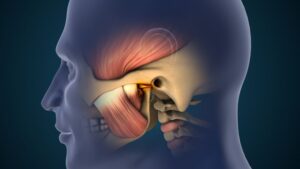
Another factor to consider is the fact that many medical professionals do not have extensive experience or training in how to identify and treat TMJ disorder. The jaw joints (TMJs) are among the most complex joints in the body. And when something goes wrong with them, that can lead to symptoms that affect the entire body; it is a descending disorder, so it be related to seemingly unrelated problems, such as back pain, poor posture, and more.
Getting to the Heart of the Matter
One of the biggest mistakes that many patients make is choosing the wrong provider to help them identify and address their problem.
For example, a primary care physician may do their best to help with your chronic, severe headaches, but if they do not have training in how to identify and diagnose TMD, you might end up being diagnosed with migraines instead.
Often, a neuromuscular dentist is the best person to see for TMD and related issues. They understand:
- How the jaw and airway affect the nervous system. This connection can increase stress levels throughout your body and cause widespread symptoms.
- How the oral structures affect your airway. Often, people with a misaligned bite and other TMD risk factors end up with obstructive sleep apnea.
- How to provide treatment that is more than just a Band-Aid. For example, the Vivos system is a great way to gently reshape the jaw to reduce airway problems and lower the risk of TMD. Bite adjustments and other methods can also be used.
Are you struggling with symptoms that may be related to your jaw joints and other oral structures? Visit a qualified dentist for a “root cause” evaluation. You may be surprised by how quickly you get on the path to lasting relief!
Meet the Practice
Dr. Heng Lim is a neuromuscular dentist in Owasso, OK. He received advanced training from the prestigious Las Vegas Institute, and he is passionate about helping patients identify and address the root cause of their TMD symptoms and airway issues. If you would like to learn more about Dr. Lim and how our team may be able to serve you, contact our office at 918-274-3779.