
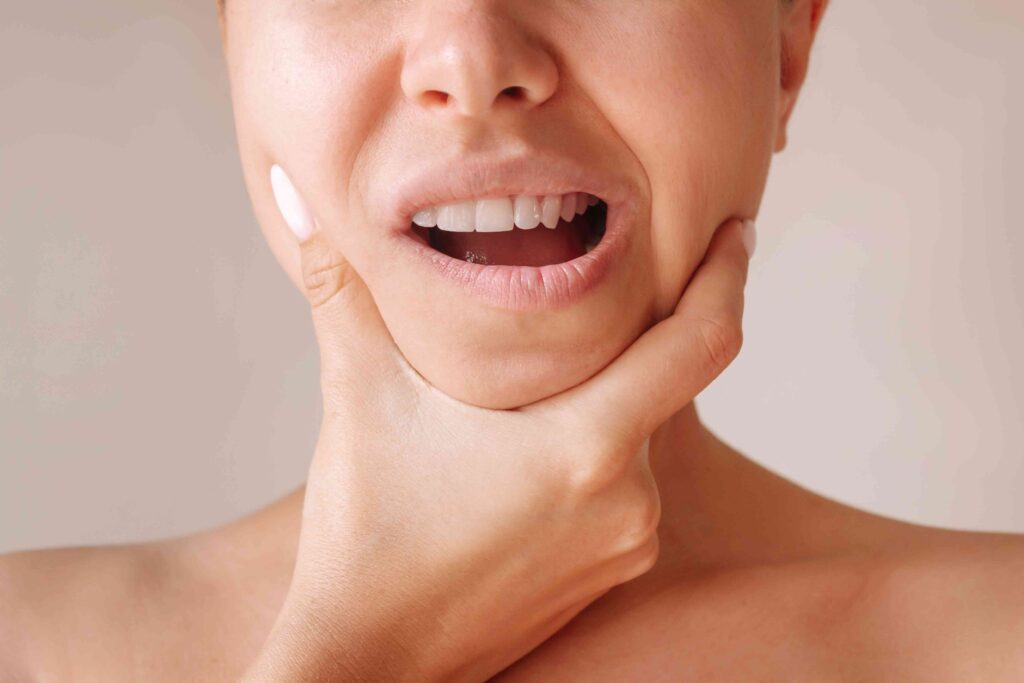
The temporomandibular joint (TMJ) is one of the most complicated joints in the entire body. This means that there is a lot that can go wrong, and it isn’t always the easiest to address. When the TMJ disorder isn’t addressed, it can lead to functional issues and uncomfortable symptoms, including chronic pain. Continue reading to learn more about TMJ disorder and how it can contribute to chronic pain.
What Is TMJ Disorder?
TMJ disorder (TMD) is a condition where someone has compromised function and/or pain surrounding the jaw joint and nearby muscles. This can lead to a range of related consequences, like frequent headaches, difficulty chewing, ear pain, and popping on the jaw. This condition can be caused by a number of different factors, including jaw injury, arthritis, and genetic factors.
What Are the Symptoms of TMJ Disorder?
TMD can present itself with a variety of symptoms. Here are some of the most common ones.
- Clicking and popping noises from the jaw joint
- Jaw pain or tenderness
- Different or discomfort when chewing
- Locking of the jaw
- Ear pain and ringing of the ears
- Chronic headaches, neck pain, and facial pain
- Muscle stiffness in the jaw or neck
How Does TMD Contribute to Chronic Pain?
Since TMD can cause muscle tension and stiffness, it can lead to chronic tension headaches. Pain that originated in one part of the face can travel along the cranial trigeminal nerve to other areas of the head, resulting in a widespread impact. There is also evidence out there to show that there is a connection between the cervical spine and TMH. Because the cervical spine is located proximally to the jaw, this creates a complex relationship. Bad cervical posture can directly affect jaw position and function, contributing to and worsening TMD. When your nervous system enters “fight-or-flight” mode, it can trigger pain in the TMJs and surrounding areas. Alternatively, when your body is in “rest-and-digest” mode, this pain subsides. Ultimately, chronic pain isn’t always localized and could point to greater issues.
How Is TMD Treated?
There are various treatment options to help manage and lessen functional issues and discomfort related to the TMJs. Here are some of the most affective ones.
- Neuromuscular Orthotics: A neuromuscular orthotic is used to stabilize the jaw, keeping it in proper solution to prevent stain.
- TENS Machine Treatment: TENS is short for “transcutaneous electrical nerve stimulation.” This treatment uses low-voltage electrical currents to address pain.
- Equilibration/Occlusal Adjustments: If your TMJ disorder is due to issues with alignment, major adjustments can be made to your teeth to give you a balanced bite.
TMJ disorder and chronic pain can go hand-in-hand. If you think you may have TMJ disorder, talk to your dentist. This way, they can put together a plan to give you some relief!
About the Author
Dr. Heng Lim earned his dental doctorate from the University of Oklahoma. Since then, he has been committed to continuing education to keep his knowledge and skills sharp. He completed the Neuromuscular Dentistry, Cosmetic Dentistry, TMJ, and Orthopedic Facial Development programs at the Las Vegas Institute for Advanced Dental Studies. To learn more about TMJ treatment or to schedule an appointment at his office in Owasso, visit his website or call (918) 274-3779.